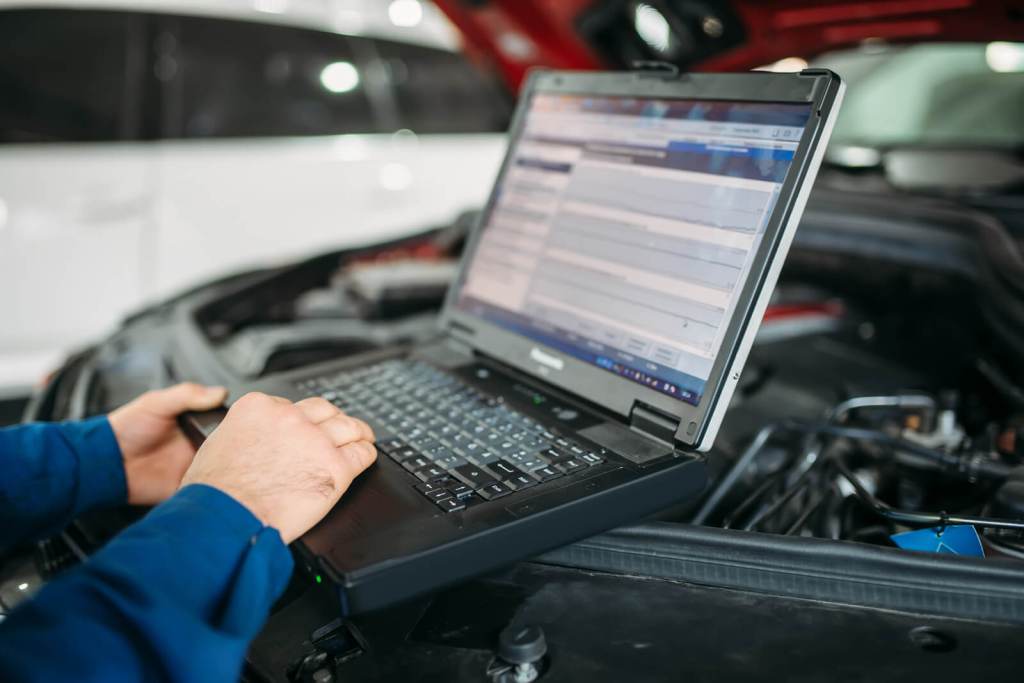
In the ever-evolving landscape of car technology, car diagnostic tools have emerged as indispensable companions for both seasoned mechanics and everyday car owners. These tools offer insights into a vehicle’s health, empowering users to identify issues, enhance performance, and ensure a smoother driving experience. In this comprehensive guide, we’ll delve into the world of car diagnostic tools, exploring their functionalities, benefits, and how they have become a valuable asset for car enthusiasts and professionals alike.
Understanding Car Diagnostic Tools:
What Are Car Diagnostic Tools?
Car diagnostic tools are electronic devices or software applications designed to communicate with a vehicle’s onboard computer system. They access and interpret the data stored in the vehicle’s Engine Control Unit (ECU) to provide information about its performance, detect issues, and generate error codes.
Types of Car Diagnostic Tools:
OBD-II Scanners: Plugged into the OBD-II (On-Board Diagnostics) port, these scanners read and interpret diagnostic trouble codes (DTCs) to identify issues related to the engine, transmission, and other systems.
Diagnostic Software: Used in conjunction with a computer or smartphone, diagnostic software provides advanced features for in-depth analysis and real-time monitoring of a vehicle’s performance.
Multifunctional Scan Tools: These tools offer a comprehensive approach, combining various diagnostic functionalities, including code reading, live data streaming, and performance testing.
Benefits of Using Car Diagnostic Tools:
Quick Issue Identification:
Car diagnostic tools allow users to swiftly identify issues with their vehicles. By reading DTCs, users can pinpoint the specific system or component that requires attention, saving time on troubleshooting.
Cost-effective Repairs:
With the ability to diagnose problems early, car owners can address issues before they escalate, potentially saving on costly repairs. The information provided by diagnostic tools empowers users to make informed decisions about maintenance and repairs.
Enhanced Performance Monitoring:
Beyond issue identification, car diagnostic tools offer real-time monitoring of various parameters, such as engine RPM, fuel efficiency, and temperature. This data enables user to optimize their driving habits and enhance overall vehicle performance.
Preventive Maintenance:
Car diagnostic tools facilitate proactive maintenance by providing insights into the condition of components and systems. This helps users address potential issues before they lead to breakdowns, extending the lifespan of their vehicles.
User-Friendly Operation:
Modern car diagnostic tools are designed with user-friendly interfaces, making them accessible to both professionals and amateur car enthusiasts. Many tools provide intuitive displays and explanations of trouble codes for easy interpretation.
Features to Look for in Car Diagnostic Tools:
Compatibility:
Ensure that the diagnostic tool is compatible with your vehicle’s make, model, and year. OBD-II scanners are widely used and support most vehicles manufactured after 1996.
Live Data Streaming:
The ability to monitor live data streams in real-time is a valuable feature. It allows users to observe the performance of various vehicle parameters as they drive or perform specific tasks.
Code Definitions:
Look for a diagnostic tool that provides clear and detailed definitions for trouble codes. This feature helps users understand the specific issues affecting their vehicles.
Wi-Fi or Bluetooth Connectivity:
Wireless connectivity options, such as Wi-Fi or Bluetooth, enable seamless communication between the diagnostic tool and other devices like smartphones or tablets, providing greater flexibility.
Update Capabilities:
Regular software updates ensure that the diagnostic tool stays current with the latest vehicle models and system enhancements. Look for tools with easy update mechanisms.
Advanced Diagnostics:
For enthusiasts or professionals, advanced diagnostic tools with features like bidirectional control, ABS and airbag system diagnostics, and programming capabilities can offer a more comprehensive analysis.
How to Use a Car Diagnostic Tool:
Locate the OBD-II Port:
Find the OBD-II port in your vehicle, usually located beneath the dashboard near the driver’s seat. Plug the diagnostic tool into the port.
Turn on the Ignition:
Turn the vehicle’s ignition key to the “on” position without starting the engine. Some tools may require the engine to be running.
Read Trouble Codes:
Use the diagnostic tool to read trouble codes from the vehicle’s ECU. The tool will display alphanumeric codes that correspond to specific issues.
Interpret the Codes:
Refer to the code definitions provided by the diagnostic tool to interpret the issues affecting your vehicle. Some tools offer built-in code explanations, while others may require online resources.
Clear Codes (Optional):
Once you’ve addressed the identified issues, you can use the diagnostic tool to clear the trouble codes. This step is optional and should only be done after resolving the problems.
Car diagnostic tools have revolutionized the way car owners and professionals approach vehicle maintenance and troubleshooting. Whether you’re a DIY enthusiast or a seasoned mechanic, having access to real-time data and trouble codes empowers you to make informed decisions about your vehicle’s health. As technology continues to advance, car diagnostic tools will play an increasingly crucial role in ensuring the longevity, performance, and reliability of our beloved car. So, equip yourself with the right diagnostic tool, connect to your vehicle’s ECU, and embark on a journey of car exploration and maintenance!
 Tyre Fitting Machine Australia
Leave a comment